Under-eye bags are a stubborn complaint. People arrive with screenshots, makeup tutorials, and a familiar question: can Botox fix this? The honest answer is nuanced. Botox has a clear role around the eyes, but its power is specific. It relaxes muscle pull. It does not remove puffiness from fat, lift loose skin, or erase deep hollows. When we match the tool to the problem, results are satisfying and safe. When we force Botox into jobs it was never designed to do, outcomes fall short.
This guide breaks down what creates under-eye bags, where Botox injections help, where they do not, and what to consider instead. It also covers technique, cost, safety, and the small details that matter in real practice, like how many units are typical and who is a poor candidate for a Botox procedure near the eyes.
What you are seeing when you look at a “bag”
Under-eye bags come from three main culprits: fat, skin, and muscle. Often, all three contribute.
Some people have a natural herniation of the fat pads under the eyes. That fat can bulge forward, making a puffy mound that looks worse in certain light. Skin quality compounds the issue as collagen thins with age. Lax skin drapes over the bulge, casts shadow, and wrinkles into fine creases. The third layer is muscle, specifically the orbicularis oculi, a circular muscle that squeezes during smiling and squinting. When it contracts strongly and repeatedly, it folds the skin into crow’s feet and creases just under the lash line. In a few patients, hyperactive muscle makes the lower lid appear more bunchy and tired, even without a prominent fat pad.
Lighting exaggerates all of this. Overhead fixtures cast shadows into the tear trough, making hollows look deeper and bags more prominent, even if the anatomy hasn’t changed from morning to night.
Why this differentiation matters: Botox works on muscle. It helps if puckering and creasing are your main problem, and it helps indirectly by smoothing crow’s feet that frame the bags. It does not flatten a fat pad or tighten lax skin. If you expect it to, you’ll be disappointed.
Where Botox shines around the eyes
Botox cosmetic is a neuromodulator. In a treatment, tiny doses of botulinum toxin are placed into targeted muscles to soften their contraction. Around the eyes, this has several well-defined uses.
Crow’s feet respond predictably. By relaxing the outer orbicularis oculi, Botox for crow’s feet smooths the webs at the temple and the lateral eyelid. Patients who squint outdoors or smile with their eyes notice a softer fan of lines and a fresher look at rest. Small creases just beneath the lower lash line, especially in younger skin or skin with good thickness, can also soften with micro dosing. Some injectors use Micro Botox or Baby Botox techniques here, meaning multiple very small droplets to avoid heavy weakening and to preserve natural expression.
Another reliable indication is a subtle lateral brow lift. By reducing the downward pull of the orbicularis at the brow tail, Botox for brow lift can open the eye and make lids look less hooded, which sometimes reduces the appearance of under-eye heaviness by improving the whole eye frame. When a brow sits slightly higher, makeup sits better and the overall eye area looks more alert.
There is also the functional benefit of preventing lines from etching in. Preventative Botox can make sense for people in their late 20s or 30s with dynamic lines that persist after smiling. By treating early and conservatively, you may need fewer units over time to maintain smoothness.
I often see patients who have had excellent results elsewhere on the face. They start with Botox for forehead lines or Botox for frown lines, then notice their crow’s feet more. Treating the lateral eyelid then naturally balances the upper third of the face.
Where Botox falls short for under-eye bags
Under-eye bags driven by fat or loose skin do not respond to Botox injections. If you have a soft, squishy mound that’s visible even in a fully relaxed face, muscle relaxation will not flatten it. Skin laxity, crepey texture, and fine crinkling from collagen loss also do not tighten with neuromodulators. You might see a minor improvement if muscle was contributing to the folding, but the bag remains.
Some people have hollows rather than bulges. A deep tear trough can make the fat pad look like a bag because shadow intensifies the contrast. Again, Botox therapy doesn’t fill a hollow. It cannot replace lost volume.
There are also anatomical risks unique to the lower eyelid. Over-relaxing the orbicularis here can weaken the eyelid support and create or worsen a scleral show, where more of the white of the eye is visible below the iris. In the worst cases, it can contribute to ectropion or a watery eye. This is why many injectors treat the lower lid with extreme caution, using micro doses or choosing alternatives.
A candid middle ground: mild smoothing under the lashes
When a patient’s under-eye issue is subtle crinkling that appears only with smiling, and the skin is reasonably thick, a careful micro dose of Botox for under eye wrinkles can help. Doses are small, often 1 to 2 units per injection point, placed just beneath the lash line at two or three points per side, staying superficial and lateral. The goal is to soften a fold without weakening eyelid function.
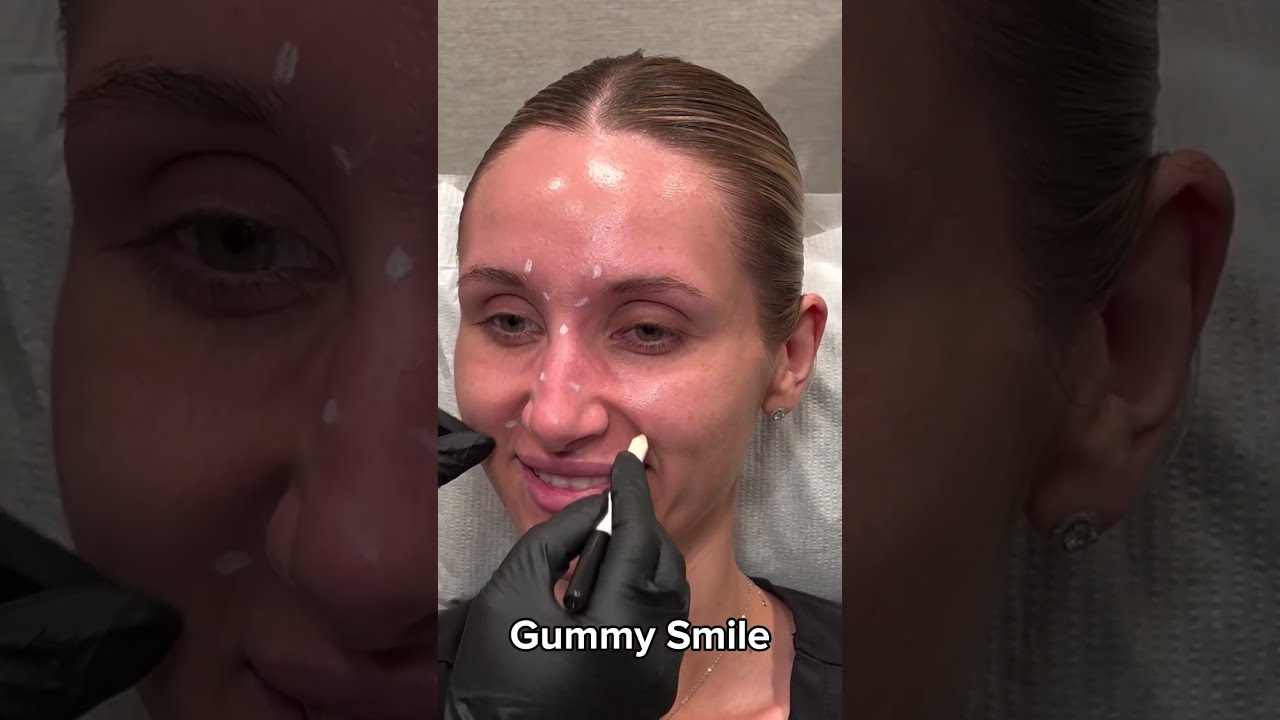
Expect improvement, not erasure. The best candidates are younger, do not have significant laxity, and do not have a pronounced bag. In older or thinner skin, the same dose can look heavy, create a flat smile, or show fluid retention more clearly. In practice, I use a test dose one visit and reassess in two weeks, especially in first time Botox patients.
What to consider instead of Botox for true under-eye bags
If the primary issue is fat herniation, skin looseness, or a deep trough, other options work better. The choice depends on anatomy, budget, and recovery tolerance.
Dermal fillers can camouflage a trough. Hyaluronic acid fillers, placed carefully along the tear trough and infraorbital rim, can reduce the shadow that makes a mild bag look worse. This is an advanced area for filler. You want a seasoned injector who uses small amounts, understands the danger zone near vessels, and knows how to avoid puffiness. When done well, the result is natural and lasts roughly 9 to 18 months, sometimes shorter in highly mobile areas. This is where the Botox vs filler question leans decisively toward filler for volume loss.
Skin tightening treatments can help crepey texture. Options include fractionated lasers, radiofrequency microneedling, skin boosters, or polynucleotide injections, all of which encourage collagen remodeling. A series often yields steady, realistic change. There is also an off-label “microdroplet” approach to dilute neurotoxin across the skin surface known as a Botox facial or Micro Botox. It can reduce oil and the appearance of pores and may make very fine lines look finer, but it is not a tightening tool and does not lift a bag.
Surgery sets the standard for true fat pads and significant laxity. Lower eyelid blepharoplasty, sometimes combined with fat repositioning, addresses the root cause in a single procedure. It is more expensive and involves downtime, but the result is structural and durable. An oculoplastic surgeon or facial plastic surgeon typically performs it. For many patients with moderate to severe bags, non surgical options only delay the decision.
Skincare supports everything else. Prescription-strength retinoids, peptides, caffeine eye creams, and diligent sunscreen improve skin quality over months. They reduce fine lines, help with pigmentary changes, and make any procedure’s result look better. Alone, they will not flatten a bag, but they are part of responsible Botox maintenance and overall anti aging care.
How a thoughtful consultation sounds
A good consult maps the anatomy and prioritizes your goals. I start by having patients gently smile, squint, and relax. If lines disappear when the face is still, Botox for expression lines may be enough. If a bulge persists in neutral lighting with Home page a relaxed expression, that points to fat. If pinching the skin makes a crepe-like change, that’s laxity.
I also look at eyebrow position. Heavy brows and hooded upper lids can make the lower lid look worse. A touch of Botox for eyebrow lift at the brow tail sometimes reframes the eyes enough to reduce the perception of under-eye heaviness.
Then we discuss trade-offs. Some people want the least downtime and accept smaller gains. Others want the definitive fix and accept surgery. Many are in the middle and choose staged care: a measured Botox treatment for crow’s feet, a small trial of filler for a trough, and a series of skin treatments for texture.
Technique notes that affect results
The lateral eye is the safest, most predictable zone for Botox around the eyes. This is where Botox for smile lines and crow’s feet shines. I typically use multiple small points with 2 to 4 units each, staying superficial and lateral to avoid diffusion into the zygomatic muscles that lift the smile. A light touch preserves natural movement.
Below the lash line is where judgment matters most. The lower lid lacks the deep fat padding of other areas. Over-relaxing the orbicularis can cause a heavy look, mild eyelid malposition, or a watery eye from impaired blinking. For suitable candidates, tiny aliquots, spaced thoughtfully, with conservative totals, prevent over-treatment. I prefer to underdo the first session and reassess at two weeks.
For patients who clench or grind, Botox for masseter and Botox for TMJ are unrelated to the eye, but reducing lower face bulk can change how light hits the midface. In some square face or jawline contour cases, slimming the masseter gives the cheekbones more prominence, which can make under-eye hollows appear less stark. This is an indirect effect and not a primary strategy for eye bags, but it illustrates how global facial balance influences local concerns.
Safety, side effects, and how to avoid trouble
Botox cosmetic is well studied and safe in qualified hands. Around the eyes, typical side effects include small bruises, mild swelling, and a transient headache. Bruising risk increases if you take aspirin, high-dose fish oil, or certain supplements. Ice before and after helps. Makeup can usually cover minor marks within 24 hours.
" width="560" height="315" frameborder="0" allowfullscreen="" >
Less common events include temporary eyelid heaviness or asymmetry, especially if doses were heavy or points were placed too low or too medial. In the lower lid, the risks include dryness, watery eyes, or a slight rounding of the eye shape. Most side effects fade as the product wears off over weeks to months, but prevention is better. This is not the area to chase a bargain. A certified Botox provider who treats eyes daily tends to dose more judiciously and uses the smallest amount that achieves the goal.
For patients with chronic dry eye, prior eyelid surgery, or pre-existing eyelid malposition, I am extra cautious with any Botox procedure near the lower lid. We might avoid lower lid dosing entirely and focus on crow’s feet and brow position.
What results feel like and how long they last
Botox treatment starts to work in 3 to 5 days, peaks around 10 to 14 days, and typically lasts 3 to 4 months in the eye area. Highly animated faces may wear off a bit faster. If you do Baby Botox or Micro Botox dosing, expect a softer effect that can fade sooner.
Results in the lateral eye look like a smoother smile without a frozen look. The goal is subtle Botox, not a blank expression. You should still show emotion. If you opt for a small under-lash dose, the ideal is crinkle reduction without change to eye shape. Photos taken before and after, with identical lighting and expression, are a useful check. People often underestimate gains because we look at our faces in motion and under variable light.
Cost, maintenance, and realistic budgeting
Pricing varies widely by geography, injector experience, and clinic overhead. Around the eyes, a typical dose for crow’s feet ranges from roughly 8 to 16 units per side, sometimes less for first-time or smaller faces. Per-unit pricing in many markets ranges from 10 to 25 dollars. That puts a crow’s feet Botox price in the few hundred dollar range. Micro dosing under the lash line adds a modest increment because the units are few. If you add a brow lift, expect a handful more units.
Maintenance means repeating every 3 to 4 months for consistent smoothing. Some patients stretch to 5 or 6 months by accepting a softer look toward the end. Clinics may offer Botox specials periodically, but cost should never drive you to an inexperienced injector. An affordable Botox deal that risks eye shape or safety is no savings.
If under-eye bags are your core concern and you repeatedly spend on neuromodulators and non definitive options, it is worth consulting a surgeon for a price comparison. A blepharoplasty has a higher upfront cost but a long-lasting outcome.
Who is a good candidate, and who is not
Good candidates for Botox around the eyes share a few traits. They have dynamic wrinkles that show with smiling or squinting, good eyelid tone, and realistic expectations. They want smoother skin and a fresh look, not a total transformation. They accept that Botox for under eye wrinkles helps with lines, not bulges.
Poor candidates for lower-lid dosing include those with significant laxity, a visible fat bag at rest, pre-existing lower eyelid malposition, or very thin skin. People with heavy allergies and chronic puffiness may also fare poorly, since fluid retention can look more noticeable if the supporting muscle is weakened.
Botox for hyperhidrosis, Botox for migraine, or Botox for neck pain are separate indications. They do not influence under-eye bags directly, though patients sometimes coordinate appointments to manage multiple concerns at once.
A roadmap that respects limits and maximizes gains
If your main issue is under-eye bags, start by clarifying what makes them look worse. Are they present at rest or only when you smile? Does pinching the skin change the shape? Do they look worse after salty meals or late nights? A few smartphone photos in consistent light are more useful than a dozen selfies.
Then, craft a plan that stacks the right tools. Botox for crow’s feet plus a subtle eyebrow lift can brighten the frame. If a hollow deepens the shadow, a conservative filler for the trough can help. For crepey skin, add collagen-stimulating treatments or a retinoid. If a true bag dominates, talk to a surgeon early so you can weigh a definitive fix against years of interim procedures.
Below is a short, practical comparison to help anchor expectations.
- Botox targets muscle. Good for crow’s feet, subtle crinkle smoothing, and a gentle brow lift. Not for fat bags or lax skin. Filler targets volume loss. Good for tear trough hollows and contrast reduction. Not for very puffy lids or poor skin tone. Energy-based and skin treatments target texture. Good for crepe and fine lines. Not for herniated fat pads. Surgery targets structure. Good for prominent bags and laxity. Requires downtime, delivers the most durable fix.
Use this as a compass, not a script. The best outcomes come from blending approaches in the smallest effective doses.
Common questions, answered with specifics
How does Botox work? It blocks nerve signals to the muscle, temporarily reducing contraction. Around the eyes, that softens the lines you see when you smile or squint. It does not change skin thickness or remove fat.
How long does Botox last near the eyes? Most people enjoy 3 to 4 months of peak effect. Athletes or those with strong facial animation may notice earlier fade. Regular scheduling helps maintain steady results.
What about a Botox lip flip or treating bunny lines, chin dimpling, or the jawline? These are separate areas with their own dosing and risks. They can complement facial balance, but they do not directly affect under-eye bags. If you pursue a comprehensive refresh, coordinate timing so muscle changes in one area don’t create mismatched expressions. For instance, if you get Botox for square jaw or jawline contour, schedule your eye treatment at the same visit so the upper and lower face settle together.
Can Botox make bags look worse? Indirectly, yes, if a lower-lid dose is too heavy. Over-relaxing the orbicularis can unmask puffiness or create a slight eye shape change. Conservative dosing and careful candidate selection prevent this.
What’s the downtime? Minimal. Small marks or bruises clear in a few days. Avoid heavy exercise and rubbing the area for the first day. Elevate your head the first night. With filler or energy treatments, downtime varies more and should be discussed separately.
Final thoughts from the treatment room
I’ve met plenty of people who spent months chasing creams and contouring tricks when their anatomy called for a different solution. I’ve also met people who feared they needed surgery, then discovered that a few units of Botox for crow’s feet and a subtle fill in the trough made them camera ready for the next year. The common thread is precision: matching the right treatment to the right anatomy, using the least intervention necessary to reach your goal.
If you sit in my chair and ask for Botox for eye bags, we’ll start by defining “bag.” If muscle is the villain, Botox is a hero. If fat and skin are the problem, Botox steps aside for tools built for the job. Either way, your plan should be calm, measured, and maintainable, with results that look like you on your best day rather than a filtered version of someone else.
Choose an experienced Botox doctor, dermatologist, or nurse injector who shows a broad gallery of eyes, not just foreheads. Ask how they handle under-eye risks, what they do when a result needs adjustment, and how they would stage your care across the year. Look for natural results in their work. Steer clear of promises that one quick Botox cosmetic injection will erase a true bag. That promise sets you up for frustration.
Botox remains a powerful ally for wrinkles, expression lines, and brow balance. For under-eye bags, it is a supporting actor. Let it play that role well, and bring in the rest of the cast as needed. That is how you get durable, elegant results and a face that reads rested and confident, not “treated.”